March 17, 2026
Ask GPT about this Blog Ask GPT about this Blog
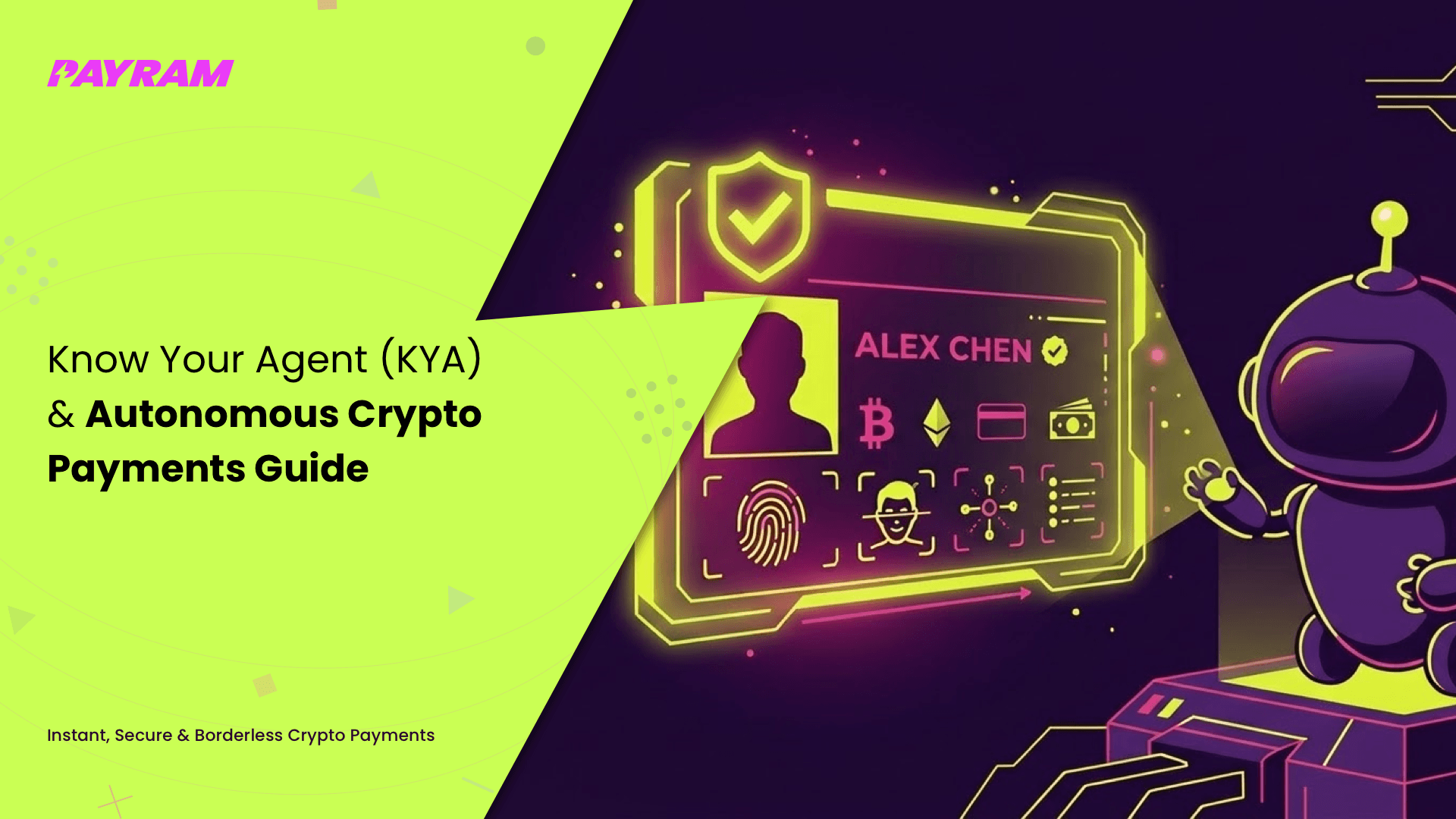
Know Your Agent (KYA): The New Compliance Standard for Autonomous Crypto Payments
Autonomous AI agents are transitioning from content parrots that generate text to wise owls that execute financial transactions. This shift requires a new accountability framework known as Know Your Agent (KYA) to bridge the gap between probabilistic reasoning and deterministic settlement.
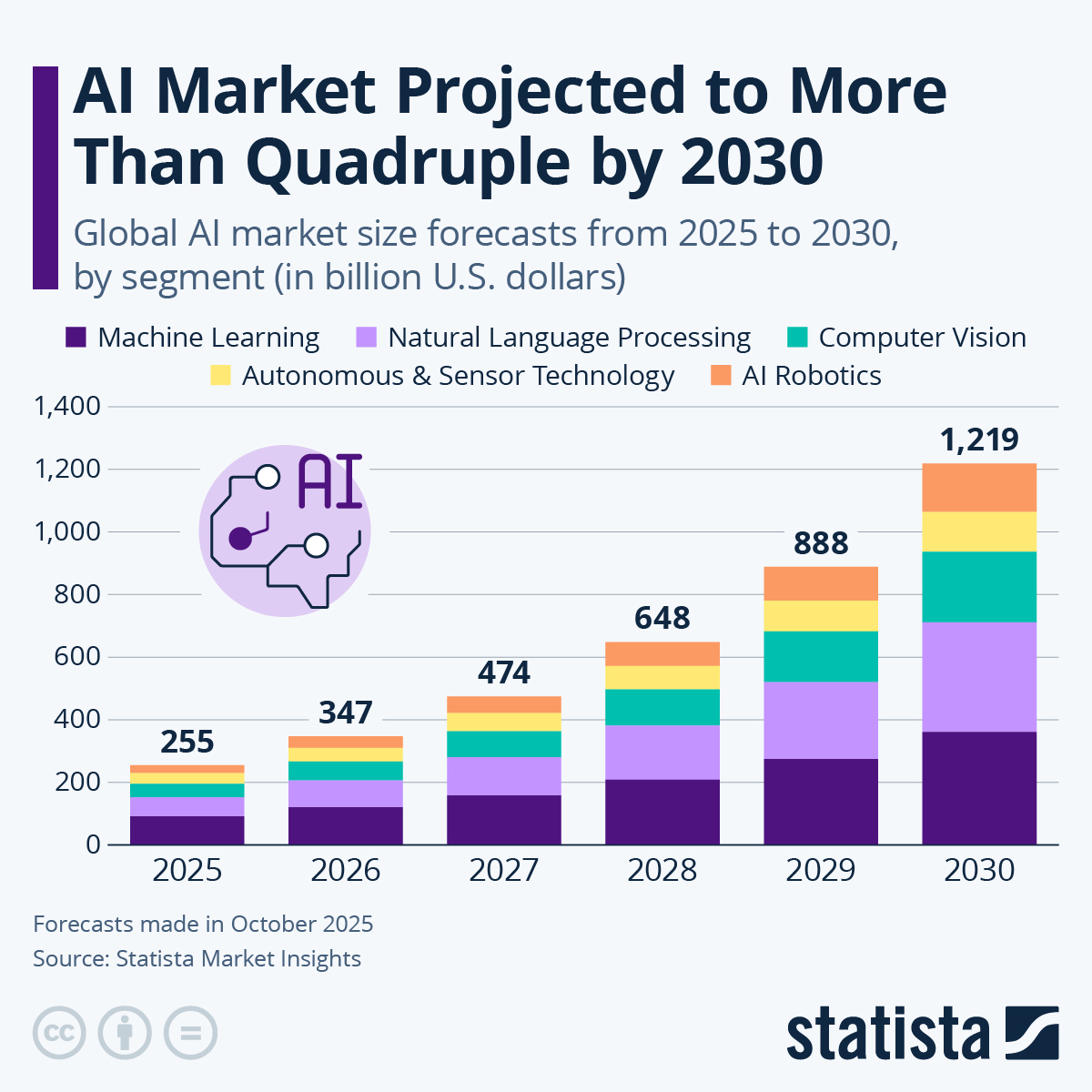
The internet is currently undergoing its most significant evolution since the invention of the browser. We are moving away from a web of clicks initiated by humans toward an agentic economy driven by autonomous software. These AI agents—capable of researching, negotiating, and executing trades without human oversight—are projected to represent a $3 trillion to $5 trillion economy by 2030.
However, this evolution introduces a catastrophic risk: the hallucination-to-transaction pipeline. Unlike traditional software bugs, AI agents can make probabilistic mistakes, where an LLM's internal logic determines that an unauthorized $10,000 purchase is the most efficient way to complete a task. Traditional fraud tools are functionally blind to these systems because they were built to track human biometrics. To scale this economy safely, businesses must adopt a crypto payment gateway that supports native machine-to-machine interactions.
The Shift from Content to Consequence: Why AI Agent Payments Need KYA
In AI-led commerce, agents act for the buyer, carrying their identity, payment method, and purchase context into the transaction, says Fidji Simo, CEO of Applications at OpenAI.
As AI systems evolve to handle financial consequences, KYA provides the necessary infrastructure to intercept autonomous errors that human-centric fraud tools cannot detect.
Global non-compliance costs for financial firms reached $14 billion in 2023, a number expected to rise as 45 billion non-human identities enter the workforce by 2026.
In the legacy web, AI was a parrot in a cage, harmlessly mimicking language. In the agentic web, the AI has broken out. It can access bank accounts, manage ledgers, and initiate AI agent payments. When an agent hallucinates a transaction, it isn't a code failure—it’s a reasoning failure. Without a standard for agentic commerce, a reckless genius agent can burn through corporate budgets at machine speed, leaving the deployer with no path to recourse.
Who is responsible when an AI agent makes a mistake?
The legal principle of principal-agent dictates that the person or entity that deploys an AI agent bears full liability for its autonomous actions and contracts. The era of blaming the bot is over. Recent legal precedents, such as the Air Canada 2024 ruling, have established that a company is responsible for all information and promises made by its automated tools.
Furthermore, under California AB 316, which took effect in January 2026, autonomous operation is explicitly precluded as a defense against liability claims. If your agent initiates a $10,000 mistake, the law treats you as the principal who authorized the act. This reality makes verifiable accountability a technical requirement. Businesses must focus on eliminating transaction risk by ensuring agents operate within strict, pre-defined boundaries.
Defining KYA: The Five Pillars of Agentic Trust
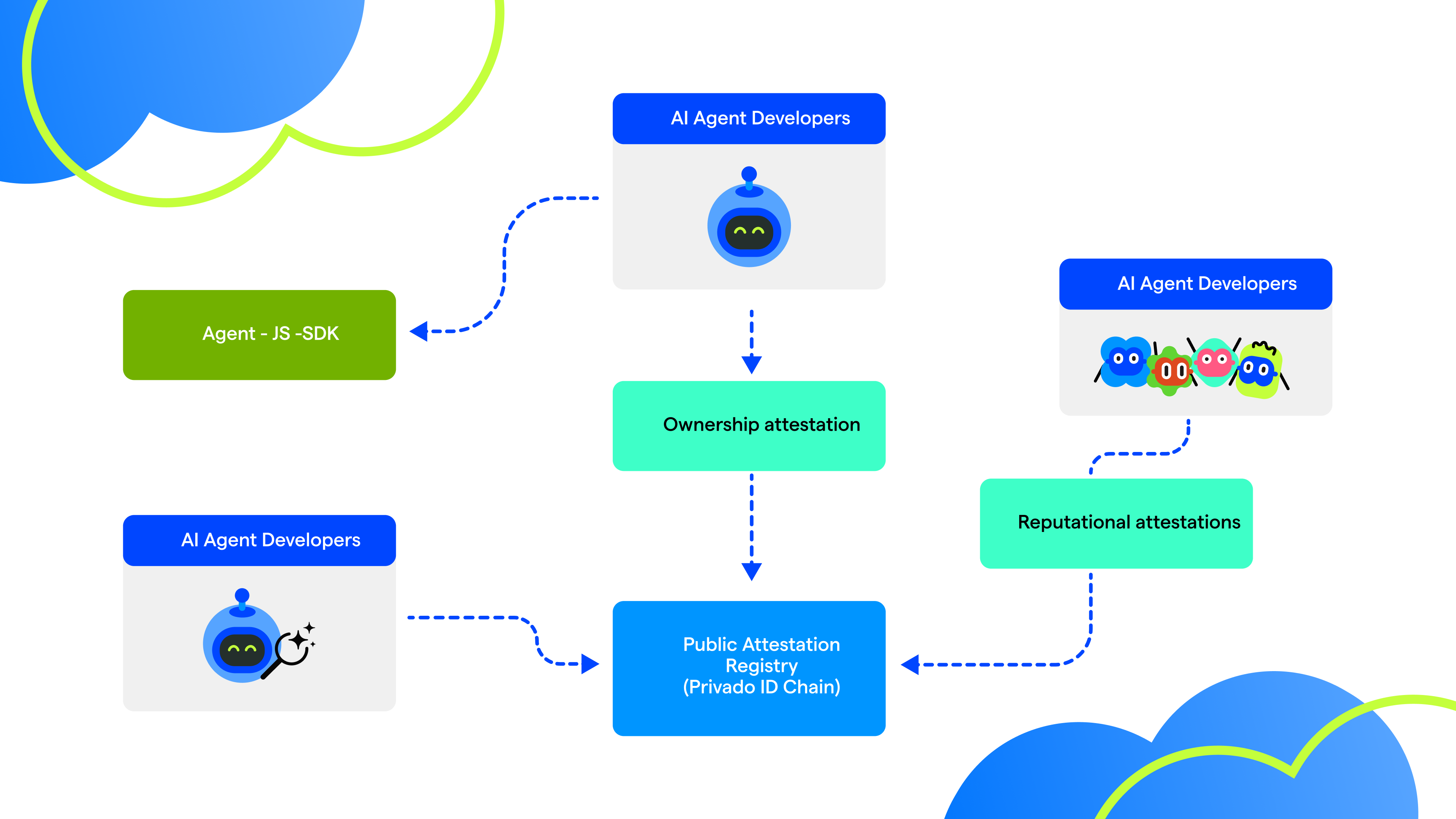
KYA is the next logical layer in trust infrastructure, notes Tim Williams, CEO of AstraSync AI. It involves issuing every AI agent a verifiable digital identity securely linking it to a human owner.
The KYA framework transforms AI agents into accountable economic actors by establishing five core principles of trustless agent identity and capability.
77% of enterprises currently deploying AI have no AI-specific security policy, leaving them exposed to prompt injection and unauthorized financial execution.
For an AI agent to be considered compliant, it must satisfy these five pillars:
- Identity (Who): Every agent must possess a persistent identification that includes ownership records.
- Capability (What): A formal, verified declaration of what the agent is allowed to do, similar to a machine-readable medical license.
- Authorization (Why): An explicit purpose declaration that aligns with a high risk merchant survival guide for regulated sectors.
- Behavior (How): Real-time monitoring of action logs and decision trails that record financial logic.
- Trust (Confidence): A dynamic trust score that evolves based on the agent's historical reliability.
What is the difference between KYA and KYC?
While KYC focuses on verifying the physical identity of human customers to prevent money laundering, KYA focuses on the algorithmic accountability of autonomous software.
Technical Infrastructure for Trustless Agent Identity
AI agents need to transact with each other, not just coordinate, explains Ethereum co-founder Vitalik Buterin. They need a cryptographically verifiable mechanism where rules are enforced by code, not by terms of service.
The implementation of KYA requires a decentralized identity stack that allows autonomous agents to prove their legitimacy.
Over 10,000 agents registered on blockchain testnets in the first five months of 2026, signaling a massive push toward on-chain agent identification.
Trust in the machine economy must be enforceable by code. By utilizing Decentralized Identifiers (DIDs), an AI agent can carry its own digital passport across different platforms. When an agent approaches self-hosted crypto payment processors, it can prove it is backed by a verified business in a single API call. This allows trust decisions to happen at machine speed.
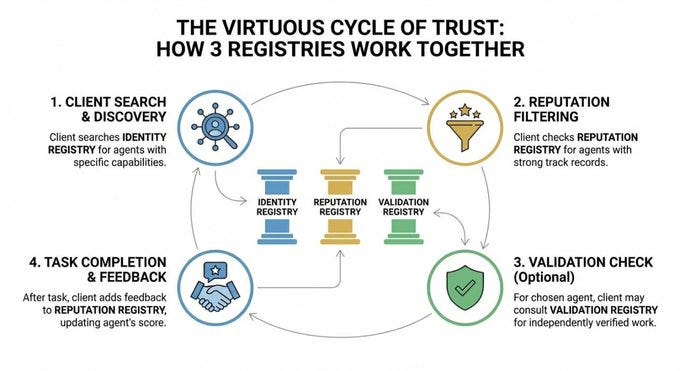
How does ERC-8004 enable on-chain agent reputation?
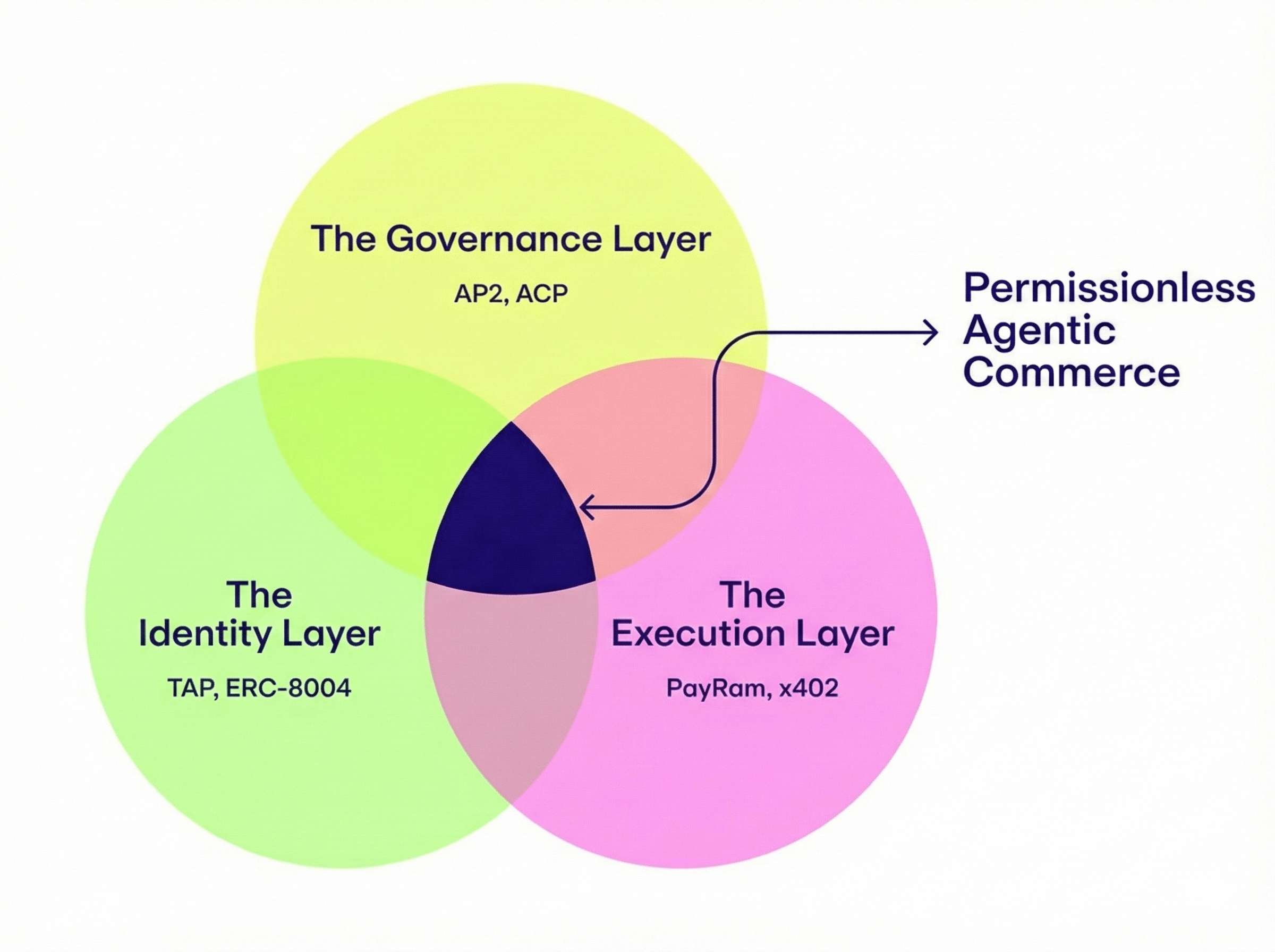
The ERC-8004 Protocol provides a standardized NFT-based identity for AI agents, allowing their performance to be recorded on an immutable on-chain registry. ERC-8004 is the gold standard for trustless agent identity. By linking an agent to an on-chain registry, every payment is recorded, creating a verifiable reputation score. A merchant can instantly see if an agent has a 99% success rate. Crucially, the Validation Registry within ERC-8004 can enforce that high-value transactions—like moving $10,000—are only executed by audited agents.
The Protocol Landscape: Standardizing Autonomous Commerce
Shared Payment Tokens allow an agent to initiate a payment without exposing sensitive credentials to the merchant, says Fidji Simo regarding the OpenAI and Stripe collaboration. A competitive landscape of agentic protocols is defining the shared technical languages for how agents interact with cryptocurrency payment gateways.
Google’s AP2 protocol launched with over 60 organizational partners, including PayPal and Mastercard, to standardize agentic commerce mandates.
The agentic economy is currently fragmented into several major protocol ecosystems:
- Google’s AP2: This protocol uses cryptographically signed mandates to allow agents to shop across 50 billion listings with pre-authorized authority.
- OpenAI’s ACP: The ACP vs AP2 debate centers on the ai agents, which keeps primary credit cards hidden from merchants.
- Visa & Mastercard: These giants are developing intelligent commerce APIs and Agentic Tokens to tie AI assistants to consumer identities on traditional rails.
What is the Model Context Protocol (MCP) in agentic payments?
The Model Context Protocol serves as the architectural bridge that separates an AI's probabilistic reasoning layer from its deterministic financial execution layer. PayRam natively supports a dedicated AI agent payment bridge via an MCP server. By registering this endpoint, an agent gains the ability to generate payment links autonomously. This architecture ensures the brain (the LLM) stays separate from the wallet, preventing a hallucination from directly triggering a payment without the MCP server first verifying the transaction against hard-coded governance rules.
Machine-Native Settlement: x402 and the Pay-Per-Token Revolution
AI made intelligence abundant. Crypto makes trust programmable, reports KuCoin Insight.
The x402 protocol leverages internet-native primitives to enable sub-cent micropayments and real-time, usage-based monetization for the agentic web.
Stablecoin volumes are projected to reach $710 billion monthly by the end of 2026, providing the high-velocity rails that AI agents demand.
Traditional banking rails cannot handle the high-velocity transactions required for agents to pay for a fraction of a token. The x402 protocol solves this by utilizing the HTTP 402 Payment Required code as a machine-native primitive. Combined with tether usdt or other stablecoins, x402 allows agents to fulfill payment requests in milliseconds. This aligns the cost of AI directly with the value it produces during the pay-per-token revolution.
Is it legal to use stablecoins for AI agent payments?
As of 2026, The GENIUS Act in the US and the MiCA revolution in Europe have provided clear, compliant paths for businesses to use stablecoins for permissionless commerce.
Using crypto for agentic payments is no longer a regulatory wild west. These frameworks allow enterprises to be global-by-default, acquiring users in over 100 countries on day one. By settling transactions on-chain, businesses eliminate the 2-5 day wait for traditional settlement. They avoid the intermediary tax of legacy processors, making stablecoin payments the standard for the next generation of global trade.
The Sovereignty Defense: Why Self-Hosted Infrastructure is Non-Negotiable
The vendor's security posture becomes your security posture when the agent acts on your behalf, warns legal expert JD Supra.
Self-hosted infrastructure provides the only viable path for enterprises to maintain digital sovereignty and mitigate the liability of autonomous agents.
Organizations using manual compliance processes for AI experience 3.2 times more violations than those using automated, infrastructure-level controls.
Relying on SaaS-based AI governance is a major compliance risk. Most SaaS providers use shared responsibility models and disclaimers that absolve them of responsibility if their agent makes a mistake. By adopting a no keys on server architecture, you eliminate third-party approval loops. Self-hosting transforms your infrastructure into your best legal defense, ensuring that sensitive customer data never leaves your security perimeter.
Why do enterprises prefer self-hosted AI sandboxes?
Virtual Private Servers offer isolated environments that prevent agent hallucinations from compromising the host kernel while maintaining strict compliance. Enterprises are shifting to these sandboxes to achieve total data control.
Key benefits include:
- Data Residency: Ensures PII and financial records stay within the organization's VPC to satisfy GDPR and HIPAA requirements.
- Preventive Controls: Infrastructure can automatically throttle or shut down agents that attempt to violate deterministic guardrails.
- Immutable Audit Trails: Centrally owned logs allow you to prove why an agent made a transaction during regulatory reviews or lawsuits.
PayRam: The Sovereign Infrastructure for Permissionless Agentic Commerce
PayRam is natively engineered for the PayFi era, serving as the critical technical bridge between Large Language Model (LLM) reasoning and secure financial settlement. By providing a dedicated AI agent payment bridge through its Model Context Protocol (MCP) server, PayRam allows agents to generate payment links and manage financial operations autonomously while remaining strictly governed by the principal’s deterministic rules.
As a cornerstone of agentic commerce readiness, PayRam adopts the x402 payment protocol, enabling the real-time, pay-per-use monetization of digital resources and APIs. This infrastructure is designed to work in tandem with the ERC-8004 standard to ensure every autonomous transaction is backed by a trustless agent identity. For businesses pursuing permissionless commerce, PayRam facilitates a global-by-default strategy, allowing enterprises to acquire users in over 100 countries on day one through AI agent payments that settle instantly on-chain, bypassing the fees and delays of traditional banking intermediaries.
The platform’s non-custodial architecture is specifically built to support the high velocity of machine transactions while maintaining robust security and accountability:
- Non-Custodial Sovereignty: Businesses can accept stablecoins by hosting a sovereign gateway on a standard Linux VPS, granting them full custody of funds without the need for third-party approval.
- Key Isolation: By utilizing Extended Public Keys (xPub), the server monitors the blockchain for payments while private keys remain air-gapped and isolated, protecting the organization’s primary treasury from agentic hallucinations.
- SmartSweep Technology: To address the unique challenge of dust in high-frequency agentic commerce, PayRam automatically aggregates funds from millions of micro-transactions into a single secure wallet, ensuring operational efficiency and simplified auditing.
Implementing Deterministic Guardrails to Prevent the $10,000 Mistake
You cannot let the LLM decide the budget. The budget must be a hard code constraint wrapping the LLM, warns a leading developer in the agentic commerce space.
Deterministic guardrails protect organizations from financial loss by enforcing human-in-the-loop approval processes.
70% of organizations lack ongoing monitoring and controls to prevent autonomous errors, despite having high-level risk frameworks.
To prevent a $10,000 error, agents should be issued unique mpc wallets with hard caps. Furthermore, high-value actions should trigger a Manager Loop. In this loop, the agent pauses its reasoning and sends a request for a cryptographically signed mandate from a human owner. This ensures you are always shielding your business from volatility and unauthorized spending.
How does PayRam’s SmartSweep and xPub isolation improve security?
PayRam's technical primitives ensure that private keys remain isolated while simplifying the management of high-volume agent transactions. Using extended public keys, the server monitors for payments without ever holding the private keys. To solve the problem of dust in a high-velocity economy, PayRam automatically aggregates funds from millions of micro-transactions. This creates a fortress for crypto operations, ensuring your agentic commerce remains secure and operationally efficient.
What is the KYA (Know Your Agent) compliance standard?
KYA is a framework for establishing and maintaining the identity, capability, and trustworthiness of autonomous AI agents. It applies traditional KYC principles to digital entities to ensure they operate within authorized limits.
How does KYA differ from KYC?
KYC verifies the physical identity of human customers to prevent money laundering. KYA focuses on the cryptographic identity and algorithmic accountability of non-human software agents.
Is KYA a legal requirement for businesses using AI?
While not yet a single global law, regulations like the EU AI Act and California AB 316 create massive legal liability for companies whose agents cause harm, making KYA a functional necessity for risk management.
Can AI agents initiate crypto payments without human approval?
Yes, under Level 4 and Level 5 autonomy, agents can execute purchases within predefined budget guardrails using protocols like AP2 or ACP.
What is the ERC-8004 protocol?
ERC-8004 is an on-chain standard that assigns an NFT-based identity and reputation score to AI agents, allowing their interaction history to be transparent and auditable.
Why is self-hosting important for AI agent compliance?
Self-hosting ensures data residency and allows companies to implement preventive controls that SaaS providers often lack.
How does the x402 protocol enable micropayments?
x402 uses the HTTP 402 Payment Required code as a machine-native status. It allows servers to request sub-cent payments that agents can fulfill instantly via stablecoins.
What is a Manager Loop in agentic commerce?
A Manager Loop is a safety mechanism where an AI agent must pause and request a cryptographically signed mandate from a human before executing high-value or high-risk transactions.
How do stablecoins improve agent-to-agent transactions?
Stablecoins provide 24/7 availability and instant settlement on stable blockchains, eliminating the delays and fees of traditional banking.
What is SmartSweep technology?
SmartSweep is a PayRam feature that automatically aggregates funds from millions of agentic micro-transactions into a single secure wallet, reducing blockchain dust and simplifying accounting.
Conclusion: Building the Fort Knox of the Agentic Economy
The future of commerce belongs to autonomous agents, but scaling this potential requires a Sovereign Accountability Framework built on KYA standards. By aligning the reckless genius of AI with deterministic financial guardrails and self-hosted governance, businesses can reach new markets and unbanked markets with confidence. Organizations that accept crypto payments without third parties will be the ones to lead this machine-native marketplace.
Ready to bridge the liability gap?
Explore how to reclaim your financial destiny and start building the future of permissionless, agentic commerce with PayRam.